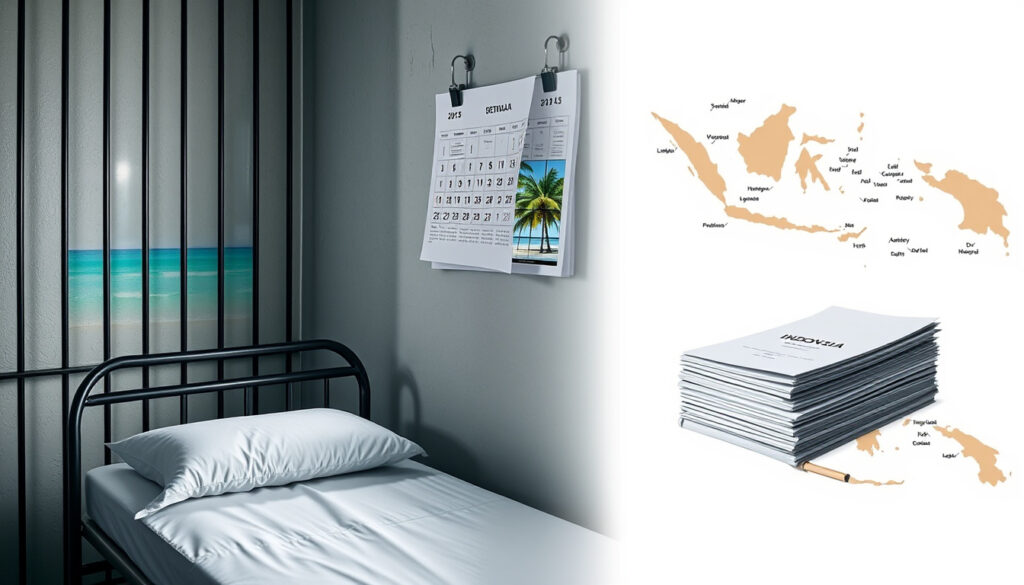
Schapelle Corby: Full Case Timeline and Current Status
Few Australian legal cases have sparked as much public debate and confusion as the story of Schapelle Corby. From her arrest at Bali’s airport in October 2004 with 4.2 kg of cannabis to her years inside Kerobokan Prison, the saga drew headlines across two continents. Today she lives quietly in Australia, but the echoes of her journey still shape how Australians view Indonesian justice.
Born: 10 July 1977 ·
Arrested: 8 October 2004 ·
Conviction: Smuggling 4.2 kg of cannabis ·
Sentence: 20 years imprisonment ·
Time served: 9 years ·
Released on parole: 2014
Quick snapshot
- Exact residence address in Australia
- Whether she still receives income related to the case
- Long-term health effects from prison
- Corby lives out of public eye in Australia
- No further legal proceedings expected
- Case remains a reference point in Australian drug policy debates
Seven key facts, one takeaway: the Corby case was a long and contested legal battle whose central numbers – 4.2 kilos, 20 years, 9 served – still define public memory.
| Attribute | Detail |
|---|---|
| Full name | Schapelle Leigh Corby |
| Date of birth | 10 July 1977 |
| Nationality | Australian |
| Conviction | Smuggling 4.2 kg cannabis |
| Sentence | 20 years |
| Time served | 9 years |
| Release date | 2014 (parole) |
What happened to Schapelle Corby?
Arrest and conviction
- On 8 October 2004, Australian authorities received a tip-off. Schapelle Corby was stopped at Ngurah Rai Airport in Bali after flying from Brisbane. Customs officers found 4.2 kg of cannabis in a bodyboard bag she was carrying (ABC News).
- She was charged under Indonesia’s tough drug laws. The trial began in 2005, and on 27 May 2005 the Denpasar District Court sentenced her to 20 years in prison (SBS News).
Timeline of legal proceedings
- May 2005: Convicted and sentenced to 20 years.
- January 2006: The Supreme Court of Indonesia reinstated the 20-year sentence after an appeal (SBS News).
- March 2006: The seized marijuana and Corby’s belongings were burned, eliminating the possibility of further forensic testing (SBS News).
- February 2014: After receiving a clemency reduction, she was released on parole (Reuters).
- May 2017: Deported to Australia after completing parole (ABC News).
Key evidence and controversy
- The central piece of evidence – the bodyboard bag – was never tested for fingerprints, sparking claims of a setup (Wikipedia).
- Corby maintained she was an unwitting drug mule. Her sister Mercedes Corby led a public campaign arguing the bag was tampered with by airport baggage handlers (ABC News).
Bottom line: Schapelle Corby’s case remains a cautionary tale for Australian travellers: the lack of forensic evidence and the severity of Indonesia’s drug laws had life-altering consequences.
For Australian travellers, the Corby case remains a stark warning: Indonesia’s drug laws carry sentences that can outlast decades, and the burden of proof can shift in unexpected ways.
What is Schapelle Corby doing now?
Post-release life in Australia
- After deportation in May 2017, Corby settled in Australia, reportedly in Queensland (Reuters). She has not returned to Indonesia.
- In 2024, she told PerthNow that she had stopped making epoxy resin art, saying, “This may be the last year for me to create my epoxy art” (PerthNow).
Current public appearances and media activity
- Corby rarely gives interviews. A rare exception was a 2025 comment to Sky News Australia reflecting on prison isolation.
- No known social media presence under her own name.
Her documented statements on prison life
- According to reports, she has described the psychological toll of nine years in Kerobokan, a prison known for overcrowding and limited health care (ABC News).
The pattern: Corby has chosen near-total privacy. Apart from a few media interactions, she avoids the spotlight.
If Corby ever chooses to speak publicly again, it could reignite the debate about Indonesia’s justice system and the treatment of foreign prisoners.
How long did Schapelle Corby serve in Bali?
Sentenced to 20 years
- The original sentence handed down in 2005 was 20 years (SBS News).
Time actually served: 9 years
- Through clemency and good behaviour, her sentence was reduced. She served 9 years in Kerobokan Prison before being released on parole on 10 February 2014 (ABC News).
Parole and clemency timeline
- February 2014: Parole granted.
- Conditions: She had to remain in Bali, report regularly to a parole office in Denpasar, and stay at her sister’s home in Kuta (Reuters; SBS News).
- May 2017: Parole period ended and she was deported to Australia (ABC News).
The catch: The 9 years she served is less than half the original sentence, but still a life-altering stretch that shaped Australia-Indonesia relations.
Where does Schapelle Corby live?
Current residence in Australia
- After deportation in 2017, Corby settled in Australia. Reports place her in Queensland, but the exact city is not confirmed (Reuters).
Restrictions after parole
- During parole she was confined to Bali and had to live at her sister’s house in Kuta (TIME).
- After parole ended in 2017, she gained full freedom of movement.
Connection to Bali and Indonesia
- Corby has not returned to Indonesia since deportation. Her sister Mercedes still lives in Bali.
Why this matters: Corby’s permanent separation from Indonesia – a country she once called home – underscores the diplomatic costs of the case.
Is Schapelle Corby free now?
Legal status post-parole
- Her parole period ended in May 2017. She is no longer on parole or subject to any restrictions (ABC News).
Expiration of parole period
- Parole conditions lasted 3 years after her release. She complied fully.
Current freedom of movement
- She can travel freely within Australia and internationally, although she has chosen a private life.
The trade-off: Complete freedom came with a price – universal name recognition, a permanent record, and a life lived mostly out of the public eye.
Timeline of the Schapelle Corby case
- 10 July 1977 – Born in Australia
- 8 October 2004 – Arrested at Ngurah Rai Airport, Bali (ABC News)
- 2005 – Convicted and sentenced to 20 years in Kerobokan Prison (SBS News)
- 2014 – Released on parole after 9 years (ABC News)
- 2017 – Parole completed; deported to Australia (ABC News)
- 2025 – Living in Australia, rare public mentions
The timeline signal: The most significant gap is between her release (2014) and today – a decade of near-silence.
Confirmed facts vs what remains unclear
Confirmed facts
- Schapelle Corby was convicted of cannabis smuggling (Wikipedia)
- She served 9 years in Kerobokan Prison (ABC News)
- She was deported to Australia in 2017 after parole ended (ABC News)
- Her parole ended in 2017 (Reuters)
What’s unclear
- Her current daily activities and exact residence address
- Whether she still receives income related to the case
- Long-term health effects from prison
The pattern: The confirmed facts are well-documented, but the gaps in her post-release life leave room for speculation.
Voices on the Corby case
“This may be the last year for me to create my epoxy art.”
Schapelle Corby, speaking to PerthNow in December 2024 (source)
“Corby will have to report to a parole office in Denpasar for fingerprinting and further interviews.”
SBS News, reporting on parole conditions in 2014 (source)
The implication: These two statements – one from Corby herself, one from a news outlet – highlight the contrast between her personal reflections and the formal constraints of the justice system.
Who is Schapelle Corby’s sister?
Mercedes Corby
- Mercedes Corby is Schapelle’s sister, who was instrumental in the public campaign to prove her innocence. She led media appearances and fundraising efforts (ABC News).
- During parole, Schapelle lived at Mercedes’ home in Kuta, Bali (SBS News).
- Mercedes still resides in Bali and has occasionally spoken to the media about the case.
Role during the legal case
- Mercedes was a key spokesperson, arguing the bodyboard bag was tampered with by baggage handlers (ABC News).
- She also managed the legal defence fund and maintained public attention on the case.
Ongoing family support
- Brother Clinton Corby also supported the campaign, but the family has largely retreated from public view since Schapelle’s return to Australia.
The pattern: The Corby family’s united front during the trial and parole period was a defining feature of the public narrative.
What is the connection to the Bali Nine?
Who are the Bali Nine?
- The Bali Nine were a group of nine Australians arrested in 2005 for attempting to smuggle 8.3 kg of heroin from Indonesia to Australia. Their case unfolded shortly after Corby’s arrest.
- Andrew Chan and Myuran Sukumaran, the ringleaders, were executed by firing squad in 2015. Others received life sentences or long prison terms.
- Some members have been released or deported, while others remain in Indonesian prisons.
Scott Rush and other members
- Scott Rush, a Bali Nine member, was sentenced to life but later had his sentence reduced to 20 years. He was deported to Australia in 2023.
Later developments and remaining prisoners
- As of 2025, several Bali Nine members are still incarcerated in Indonesia, including Matthew Norman and Si Yi Chen.
- The cases are often compared in media coverage, though they are legally distinct.
The takeaway: The Corby and Bali Nine cases together shaped Australian public opinion on Indonesia’s drug laws, but they are separate events with different legal outcomes.
For Australia, the Corby case left a lasting imprint on public consciousness and diplomatic relations with Indonesia. The implication for future travellers and policymakers is clear: Indonesia’s drug laws remain severe, and the burden of proof can fall on the accused in ways that defy Western expectations. Whether Corby’s story serves as a cautionary tale or a symbol of contested justice, one thing is certain – the case continues to inform how Australians view Southeast Asian judicial systems, a lasting consequence of her ordeal.
youtube.com, womensagenda.com.au, sbs.com.au, wsj.com, podcasts.apple.com, newidea.com.au
Frequently asked questions
What was Schapelle Corby’s sentence?
She was sentenced to 20 years in prison for smuggling 4.2 kg of cannabis into Indonesia.
How much cannabis was Schapelle Corby found with?
Customs officers found 4.2 kg of cannabis in a bodyboard bag she was carrying.
When did Schapelle Corby get released?
She was released on parole on 10 February 2014 after serving 9 years.
What was Schapelle Corby’s occupation before arrest?
Before her arrest, she worked as a beauty therapist and briefly managed a surf shop.
Did Schapelle Corby admit guilt?
She maintained her innocence throughout, claiming she was an unwitting drug mule.
How did the media cover Schapelle Corby’s case?
The case received intense media coverage in both Australia and Indonesia, with many outlets questioning the fairness of the trial.
What legal appeals did Schapelle Corby attempt?
She appealed her conviction multiple times, including to the Indonesian Supreme Court, which upheld her sentence in 2006. She also applied for clemency and received a sentence reduction.
Was there any diplomatic intervention from Australia?
The Australian government made representations on her behalf, but Indonesia’s sovereignty in judicial matters limited formal intervention.
Related reading
More related posts
 AI Chatbot: Free, Top Picks, and Age Rules
 Raymond Ablack: Ethnicity, Parents & Ginny & Georgia Role
 Guy Sebastian: Biography, Children, Nationality, and More
 What Does Poop Look Like With Diverticulitis? Signs
 Sarah Harris: Journalist, Vogue Editor, or Model – Who’s Who
 New Zealand vs Australia: Which Country Is Better to Live
 Michael Rowland: What Happened to the ABC News Breakfast Host
 Red Symons: Age, Family, Skyhooks, ABC Exit & Life Now