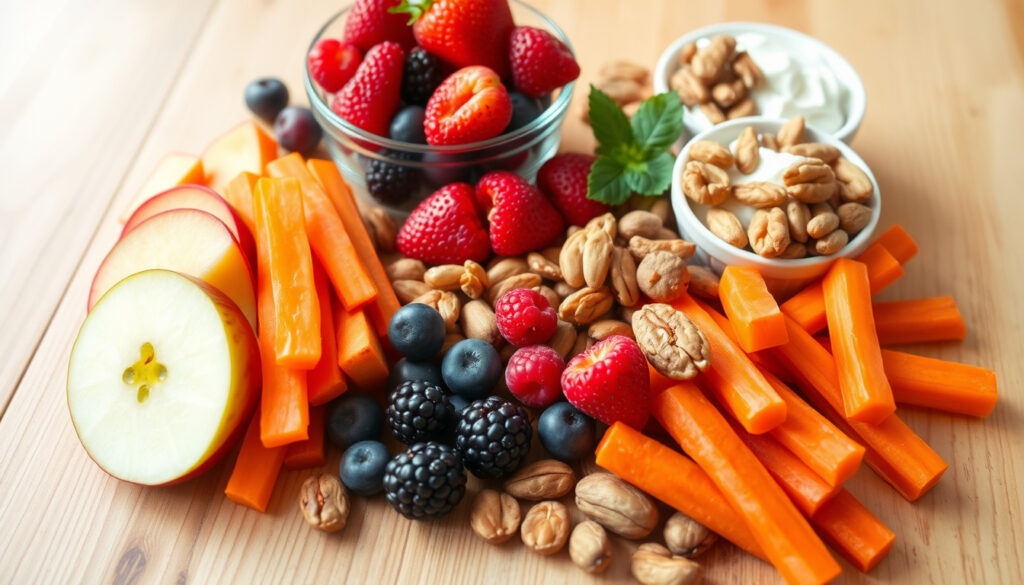
Low Calorie Snacks – Healthy Picks Under 100 Calories
Low Calorie Snacks: Healthy Ideas to Stay Full Without the Calories
Finding satisfying snacks that do not derail a weight management plan can feel challenging. Low calorie snacks under 100 calories offer a practical solution, delivering flavor and nutrients without excess energy. Research from health organizations indicates that strategic snacking between meals helps control hunger and supports overall dietary balance.
This guide compiles evidence-based options across categories including high-protein choices, portable snacks for busy lifestyles, and both sweet and savory preparations. Nutrition experts consistently recommend focusing on protein and fiber content when selecting snacks, as these nutrients promote satiety and help maintain stable energy levels throughout the day.
Whether seeking options for an afternoon energy boost, post-workout recovery, or a light evening treat, the selections below provide practical starting points backed by recognized health sources.
What Are the Best Low Calorie Snack Ideas?
Understanding which snacks offer the best nutritional value per calorie helps consumers make informed choices. The following overview highlights top-performing options across four key categories.
Quick Overview: Top Low Calorie Snacks
Greek yogurt, edamame, popcorn, cottage cheese
Greek yogurt (12g protein), cottage cheese (14g protein), edamame (8g protein)
Blueberries and yogurt, apple with peanut butter, salmon pinwheels, jicama with salsa
Pre-portioned snacks requiring no cooking
Key Insights on Low Calorie Snacking
- Satiety matters most: Protein and fiber both help you stay full longer between meals, reducing overall calorie intake throughout the day.
- Volume counts: Air-popped popcorn provides significant portion size with minimal calories, making it particularly satisfying due to the chewing required.
- Heart-healthy options exist: Many low calorie snacks are naturally cholesterol-free and low in saturated fat, supporting cardiovascular health.
- Protein per calorie ratio: Greek yogurt delivers 12 grams of protein in approximately 84 calories, representing excellent nutritional density.
- Fiber benefits: Edamame provides over 8 grams of protein and 4 grams of fiber per half cup, supporting digestive health and fullness.
- Portability simplifies choices: Pre-packaged options like ready-to-eat edamame containers eliminate preparation barriers.
- Strategic pairing works: Combining protein sources with complex carbohydrates, such as whole-grain crackers with cheese, enhances satiety.
Nutritional Snapshot: Top Low Calorie Snacks
| Snack | Calories | Protein (g) | Fiber (g) | Prep Time |
|---|---|---|---|---|
| Greek yogurt (1/2 cup) + honey | 84 | 12 | 0 | 2 min |
| Low-fat cottage cheese (1/2 cup) | 90 | 14 | 0 | 1 min |
| Edamame (1/2 cup) | 95 | 8 | 4 | Ready-to-eat |
| Air-popped popcorn (6 cups) | 100 | 3 | 6 | 3 min |
| Whole-grain pretzels (6 sticks) | 95 | 2 | 3 | Ready-to-eat |
| Salmon pinwheels (2) | 100 | 8 | 0 | 5 min |
| Jicama with salsa (1 cup) | 54 | 1 | 6 | 3 min |
| Blueberries (40g) + yogurt (125g) | 90 | 7 | 2 | 2 min |
| Apple + 1/2 tbsp peanut butter | 95 | 2 | 3 | 3 min |
| Frozen banana pops (1) | 80 | 2 | 1 | 10 min + freeze |
What Snacks Are Under 100 Calories?
The 100-calorie threshold represents a widely recommended snack size for weight management, though active individuals may require more on high-energy days. Numerous options fall comfortably within this range while providing meaningful nutritional value.
High-Protein Choices Under 100 Calories
Protein-rich snacks prove particularly effective for managing hunger between meals. Greek yogurt stands out as an excellent choice, with half a cup of nonfat plain Greek yogurt containing 12 grams of protein and totaling approximately 84 calories when drizzled with a teaspoon of honey.
Cottage cheese offers even higher protein density. Half a cup of low-fat cottage cheese delivers 14 grams of protein and can be paired with fruit like cantaloupe to reach exactly 100 calories. This combination provides a balanced mix of protein and natural sweetness without added sugars.
Edamame, young soybeans, provides more than 8 grams of protein and 4 grams of fiber per half cup, plus nearly 10% of daily iron allowance. The fiber content significantly enhances satiety compared to protein alone.
Lowest Calorie Snack Options
For those seeking minimal calorie impact, certain vegetables and prepared combinations offer extremely low energy density. A cup of jicama French-fry sticks dipped in salsa contains only 54 calories, making it one of the most volume-dense options available. The combination provides crunch, flavor, and minimal caloric load.
Frozen banana pops represent another innovative option. Simply slice bananas, insert popsicle sticks, and coat with one ounce of low-fat plain yogurt. This preparation totals just under 80 calories per pop and provides a satisfying frozen treat suitable for warm weather.
Calorie counts provided represent approximate values based on standard preparations. Actual counts may vary by brand, ripeness of fruit, and specific preparation methods. Consulting nutrition labels ensures accurate tracking for those monitoring intake precisely.
How Many Calories Should a Snack Have?
General guidance suggests snacks ranging from 100 to 300 calories depending on individual energy needs, activity levels, and overall dietary goals. For weight loss specifically, 100 calories represents a commonly recommended portion size, though more is acceptable on particularly active days.
Registered dietitians emphasize that snack quality matters as much as quantity. A 100-calorie snack of whole grains and protein differs substantially from a 100-calorie candy bar in its effects on hunger, blood sugar, and overall nutritional status.
What Are Good Low Calorie Snacks for Weight Loss?
Incorporating strategic snacks into a weight loss plan serves multiple purposes: managing hunger between meals, preventing overeating at subsequent meals, and ensuring adequate nutrient intake during caloric restriction.
Why Low Calorie Snacks Support Weight Management
Protein and fiber both help you stay full longer between meals, reducing overall calorie intake throughout the day. This satiety mechanism proves essential when managing hunger during caloric deficits.
Many low calorie options are naturally cholesterol-free and low in saturated fat, making them suitable for heart health alongside weight management goals. The Mayo Clinic recommends incorporating nutrient-dense foods rather than simply reducing overall food intake to support sustainable weight loss.
High Protein Options for Satiety
Salmon pinwheels offer an excellent protein-fat combination. One tablespoon of low-fat cream cheese spread on smoked salmon (lox) and rolled up provides two pinwheels under 100 calories while delivering heart-healthy omega-3 fatty acids. These satisfying rolls require minimal preparation time.
Hard-boiled eggs paired with whole-grain crackers provide protein from the egg with fiber and carbohydrates from the crackers. This combination offers sustained energy and hunger management suitable for afternoon snacking.
Planning snacks in advance and pre-portioning them helps prevent overconsumption. Keeping prepared options readily available reduces the likelihood of reaching for higher-calorie convenience foods when hunger strikes.
Savory vs Sweet Options
Savory snackers may appreciate cottage cheese and tomatoes on a rice cake: two heaped tablespoons of low-fat cottage cheese with six cherry tomatoes on one rice cake provides protein, volume, and satisfying texture. This combination offers approximately 15 grams of protein with minimal calories.
Those preferring sweeter options can try frozen berry yogurt, a three-ingredient snack ready in two minutes that proves low-fat, high-protein, and ideal after exercise. Visit BBC Good Food for additional recipe inspiration.
What Are Easy Low Calorie Snacks for Specific Needs?
Different situations call for different snack characteristics. Understanding available options for specific circumstances helps readers make appropriate choices throughout their day.
Portable Low Calorie Snacks
For on-the-go lifestyles, certain options require no refrigeration or special handling. Edamame comes available in ready-to-eat containers suitable for bags and briefcases. Whole-grain pretzels offer six sticks under 100 calories with more than 3 grams of fiber and zero cholesterol.
Air-popped popcorn proves particularly satisfying for travelers. Some microwave brands offer six cups for just 100 calories with 6 grams of fiber, making it filling despite the large volume. The chewing required contributes to perceived satisfaction.
Evening and Late-Night Snacking
For those seeking lighter options in the evening, Greek yogurt with minimal honey provides protein without heavy calories. The cooling effect and smooth texture offer satisfaction without excessive energy intake.
Jicama sticks with salsa present another evening-friendly option, offering crunch and flavor with minimal caloric impact. The high fiber content promotes fullness without disrupting sleep patterns.
Quick-Preparation Options
Tuna salad delivers approximately 20 grams of protein in a standard can, coming in just below 100 calories. This protein-dense option requires only basic preparation and travels well.
Whole-grain crackers with one slice of low-fat cheese, cut into thirds and spread across three crackers, combines fiber for satiety with protein and calcium. This simple assembly provides balanced nutrition in under five minutes.
Snacks for Different Dietary Preferences
Red pepper and hummus represents a heart-healthy option suitable for various dietary patterns. The combination provides protein from the legume base with vitamins from the fresh pepper.
Nuts and seeds like almonds and trail mix offer protein-rich, portable options, though portions require careful attention due to higher calorie density per volume. Healthline provides additional guidance on incorporating these options appropriately.
Nuts, seeds, and nut butters contain more calories per gram than carbohydrates or protein. While nutritious, these items require careful portion control to remain within low-calorie snack targets.
Sample Daily Low Calorie Snack Timeline
Structuring snack intake throughout the day helps maintain energy levels and prevents excessive hunger between meals. The following timeline provides a framework for incorporating low calorie options strategically.
Morning Snack (Mid-Morning Energy Boost)
- 8:30 AM: Greek yogurt (1/2 cup) with a drizzle of honey provides protein to start the day and sustain energy until lunch.
- Calories: Approximately 84 calories
- Protein: 12 grams
Afternoon Snack (3:00 PM Energy Dip)
- Option A: Edamame (1/2 cup ready-to-eat) delivers fiber and protein to combat afternoon fatigue.
- Option B: Air-popped popcorn (6 cups) offers volume and crunch without excess calories.
- Calories: 95-100 calories depending on choice
Evening Snack (Post-Dinner or Late Evening)
- Option A: Blueberries (40g) with plain low-fat yogurt (125g) provides sweetness without excessive sugar.
- Option B: One frozen banana pop offers a satisfying frozen treat totaling under 80 calories.
- Calories: 80-90 calories
This timeline delivers approximately 280 calories across three snacks while providing 25-30 grams of protein throughout the day. Individual needs vary based on activity level, metabolism, and overall dietary goals.
Understanding Calorie Counts: What Is Established vs Uncertain
Transparency about the reliability of nutritional information helps readers make informed decisions. The following summarizes what is well-established versus what requires individual verification.
Established Information
- Protein content of Greek yogurt (12g per 1/2 cup)
- Cottage cheese protein (14g per 1/2 cup)
- Edamame fiber content (4g per 1/2 cup)
- Popcorn fiber (6g per 6 cups)
- General satiety mechanisms of protein and fiber
- Role of protein in weight management
Information Requiring Individual Verification
- Exact calorie counts vary by brand
- Precise portion sizes depend on product
- Fruit ripeness affects sugar content
- Individual tolerance to specific foods
- Personal dietary restrictions and allergies
- Medication interactions with certain foods
The USDA Food and Nutrition Information Center provides databases for verifying specific nutritional values. Consulting with a registered dietitian offers personalized guidance for individual circumstances.
Why Low Calorie Snacks Matter for Healthy Eating
Incorporating strategic snacking supports broader nutritional goals beyond calorie management. Snacks provide opportunities to consume nutrients that might otherwise be lacking in main meals.
Fiber intake among most populations falls below recommended levels. Snacks like edamame, popcorn, and jicama offer accessible ways to increase fiber consumption. The Academy of Nutrition and Dietetics emphasizes fiber’s role in digestive health, blood sugar regulation, and cardiovascular wellness.
Protein distribution throughout the day, rather than concentrated at meals alone, supports muscle maintenance and satiety. Including protein-rich snacks helps achieve more even protein intake across waking hours.
For those interested in exploring similar nutritious options, learning about Farmers Union Greek Yoghurt provides additional context on selecting quality yogurt products for snacking purposes.
Expert Sources and Professional Guidance
Nutritional recommendations draw from various professional sources and organizations specializing in health and wellness. Understanding these sources helps readers evaluate the reliability of guidance provided.
“Snacks with protein and fiber help you stay satisfied between meals, which can prevent overeating at the next meal.”
— WebMD Health Library, Diet and Nutrition Section
The National Heart, Lung, and Blood Institute offers structured weight management resources emphasizing balanced nutrition and portion awareness. Their materials provide complementary guidance for those incorporating snacks into broader health goals.
“100 calories is a good snack size for weight loss, though you may need more on active days.”
— British Heart Foundation, Heart Matters Magazine
For detailed nutritional analysis of specific foods, NutritionData by Self.com provides comprehensive nutrient databases enabling precise tracking. Those with specific health conditions should consult healthcare providers before making significant dietary changes.
Summary: Key Takeaways for Low Calorie Snacking
Low calorie snacks under 100 calories offer practical tools for weight management and healthy eating. Options like Greek yogurt, cottage cheese, and edamame provide substantial protein for their caloric cost. High-fiber choices such as popcorn, jicama, and whole-grain products enhance satiety while supporting digestive health.
Portable options including pre-packaged edamame, whole-grain pretzels, and prepared combinations like cottage cheese with tomatoes suit busy lifestyles. Sweet options like blueberries with yogurt or frozen banana pops satisfy cravings without excess calories.
Strategic snack timing throughout the day helps maintain energy levels and prevents overeating. Pre-portioning snacks and keeping healthy options readily available supports consistent adherence to dietary goals. Those with specific health concerns should seek personalized guidance from qualified nutrition professionals.
For readers interested in comparing different snack categories, reviewing options like the Monte Carlo Biscuit provides additional perspective on snack choices within a broader context.
Frequently Asked Questions
Are air-popped popcorn low calorie snacks?
Yes, air-popped popcorn qualifies as a low calorie snack. Some microwave brands offer six cups for just 100 calories with 6 grams of fiber. The high volume and required chewing contribute to satisfaction despite the low calorie count.
What snacks have the lowest calories?
Jicama with salsa represents one of the lowest calorie options at approximately 54 calories per cup. Vegetables like celery, cucumber, and bell pepper strips with minimal dip also fall below 50 calories per serving while providing fiber and hydration.
What are high protein low calorie snacks?
Greek yogurt provides 12 grams of protein in approximately 84 calories. Cottage cheese delivers 14 grams of protein per half cup. Edamame offers over 8 grams of protein plus 4 grams of fiber per half cup serving.
How do low calorie snacks help with weight loss?
Protein and fiber in low calorie snacks help maintain fullness between meals, reducing overall daily calorie consumption. Strategic snacking prevents extreme hunger that often leads to overeating at subsequent meals.
What are portable low calorie snacks for work?
Ready-to-eat edamame containers, whole-grain pretzels, pre-portioned Greek yogurt cups, and whole-grain crackers with cheese slices all travel well and require no refrigeration for short periods. These options provide protein and fiber without requiring kitchen access.
Can I eat low calorie snacks at night?
Light evening snacks under 100 calories can support sleep quality by preventing excessive hunger. Greek yogurt, frozen banana pops, or a small portion of berries with yogurt provide satisfaction without significant caloric impact before bed.
What are easy low calorie snack recipes?
Frozen banana pops require slicing bananas, inserting sticks, and coating with low-fat yogurt before freezing. Salmon pinwheels involve spreading low-fat cream cheese on smoked salmon and rolling. Cottage cheese with cherry tomatoes on a rice cake requires only assembly.
More related posts
 Find a Prisoner – Official US Locator Guide
 Magui Corceiro: Biography, Age, Relationships, and Career
 Dennis Lillee: Legendary Fast Bowler, Injury Comeback, and Life Today
 Buster Keaton: Life, Disease, and Lost Fortune
 Cairns Colonial Club Resort: Location, Rooms & Reviews
 Thermos Food Jar – Heat Retention, Sizes and Best Models
 Nick Jonas: Biography, Wife, Net Worth, Children