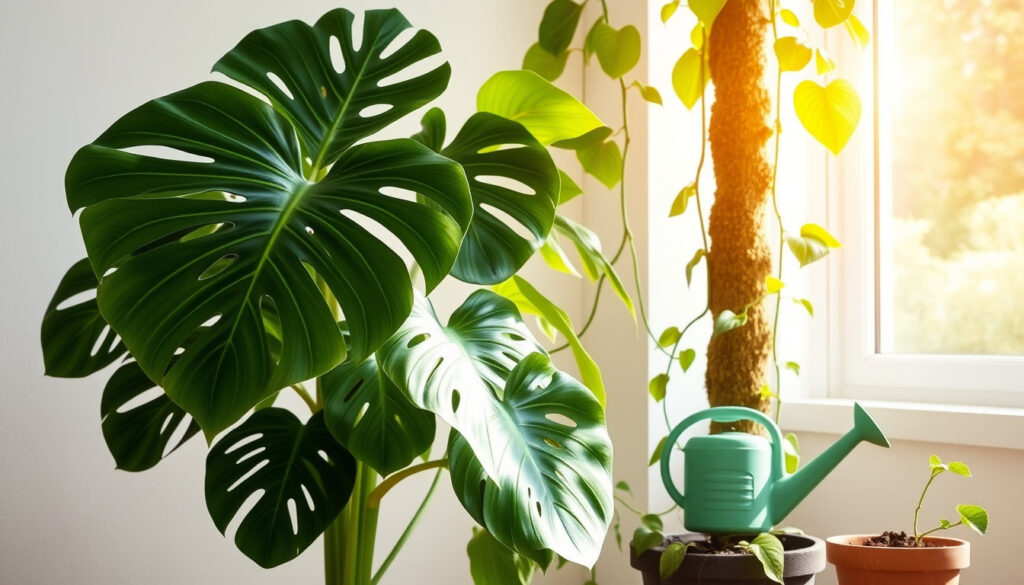
Swiss Cheese Plant Care Guide: How to Grow Monstera Deliciosa
If you’ve ever bought a houseplant with lofty intentions only to watch it slowly decline, you’re in good company. The Swiss cheese plant (Monstera adansonii) has become a go-to for interior plant lovers, but even seasoned growers run into trouble with watering schedules, humidity mismatches, and a few sneaky pests. This guide pulls together verified care strategies from horticultural sources to help you sidestep the pitfalls that send otherwise healthy specimens sideways. You’ll find practical steps grounded in how the plant actually grows in nature, plus a clear breakdown of the most common problems and what to do when they surface.
Scientific name: Monstera deliciosa · Ideal temperature: 60°F to 85°F · Humidity preference: Above 50% · Common name origin: Swiss cheese plant · Native habitat: Tropical regions
Quick snapshot
- Monstera adansonii has fenestrations (holes) throughout the interior of leaves (Nouveau Raw)
- The plant is moderately toxic to cats and dogs per ASPCA, causing vomiting and oral irritation (Nouveau Raw)
- Exact indoor lifespan varies based on care consistency and environment quality (Nouveau Raw)
- Reliability of fruit production indoors remains inconsistent across sources (Nouveau Raw)
- Water propagation of Monstera adansonii documented in August 2020 (Nouveau Raw)
- Reduced watering applies during winter months when light and temperature drop (Nouveau Raw)
- Moss pole support recommended for aerial root attachment and neater growth (Lively Root)
- Regular pruning encourages bushier growth and provides propagation material (Nouveau Raw)
The table below summarizes the essential botanical and growing specifications for quick reference.
| Attribute | Value |
|---|---|
| Scientific name | Monstera deliciosa |
| Family | Araceae |
| Light needs | Bright indirect |
| Mature height | Up to 10 feet indoors |
How do you care for a Swiss cheese plant?
Light and temperature needs
The Swiss cheese plant thrives in bright, indirect light—the kind that filters through a sheer curtain or bounces off a nearby wall. Direct sun burns the leaves, leaving brown scorch marks along the edges. An east-facing window works well; a few feet back from a south-facing window is fine too. In darker corners, the plant survives but won’t develop the pronounced fenestrations (those signature holes) that make it visually striking.
Temperature-wise, Monstera adansonii prefers the same range most people find comfortable indoors: 60°F to 85°F. Anything below 55°F stresses the plant, and prolonged cold causes the leaves to yellow and the growth to slow. Avoid placing the pot near drafty doors, air conditioning vents, or uninsulated windows in winter.
Watering and humidity tips
Water Monstera adansonii every 1–2 weeks, letting the top inch of soil dry out between waterings (Nouveau Raw). Frequency depends on your home’s light, temperature, and the season—a sun-drenched summer windowsill dries faster than a dim winter corner. Stick your finger into the soil; if it feels dry up to your first knuckle, water thoroughly until you see drainage from the bottom.
Humidity matters more than many beginners realize. The plant originates from tropical forests, where moisture hangs in the air. Browning leaf tips with yellow halos signal that humidity is too low (Nouveau Raw). A humidifier running nearby, a pebble tray with water beneath the pot, or grouping plants together all help. Aim for above 50% relative humidity; a bathroom with a window is practically an ideal spot for this species.
Soil and potting preferences
Well-draining soil is non-negotiable. A standard potting mix amended with perlite, orchid bark, or coarse grit prevents the root suffocation that leads to rot. The mix should hold some moisture but drain freely—roots sitting in soggy soil for days invite the fungal infections that kill Swiss cheese plants fastest.
When roots start circling the pot’s interior or water rushes straight through at watering time, the plant is root-bound and needs repotting (Nouveau Raw). Move up one pot size (roughly 2 inches larger in diameter), and do this in spring during active growth. A too-large pot holds excess moisture against roots that haven’t yet expanded to fill it.
What’s the difference between a Monstera and a Swiss cheese plant?
Monstera deliciosa vs other varieties
The name confusion is understandable. “Swiss cheese plant” most commonly refers to Monstera deliciosa, the large-leafed climber with deeply split leaf edges. Monstera adansonii is the narrower, more trailing species often called the Swiss cheese vine (Nouveau Raw). Both belong to the same genus, but they differ in leaf shape, size, and growth habit.
The most visible distinction lies in fenestration patterns. Monstera deliciosa develops splits and openings primarily along the leaf edges, while Monstera adansonii has holes scattered throughout the interior of each leaf (Nouveau Raw). The deliciosa leaves also grow substantially larger—eventually reaching a maturity that adansonii doesn’t match indoors. Both share oval-shaped fenestrations, but the distribution differs enough that a glance at a leaf usually tells you which species you’re holding.
Swiss cheese plant vs Monstera adansonii
In practical terms, “Swiss cheese plant” in casual conversation usually means Monstera deliciosa, but the trailing variety—Monstera adansonii—carries the same nickname and often appears under it in garden centers. The adansonii’s holes are more scattered and its leaves smaller, making it better suited for hanging baskets where the vines cascade downward.
Care requirements overlap substantially. Both want bright indirect light, moderate watering, and high humidity. The deliciosa tends to grow larger and benefits more from a moss pole or other vertical support; the adansonii climbs happily but also trails gracefully without it (Lively Root). If you’re choosing between them for a small space, the adansonii stays more compact. For a statement floor plant, deliciosa fills the role.
What are common problems with Swiss cheese plants?
Leaves turning yellow or brown
Yellowing leaves on Monstera adansonii usually point to overwatering, inconsistent watering, or roots outgrowing their container (Lively Root). An overwatered plant shows yellow leaves with brown spots, limp stems, and sometimes mold near the roots (Lively Root). Underwatering produces different symptoms: the leaves curl inward and develop brown, crispy edges (Nouveau Raw). Pale leaves suggest excessive light or a need for fertilizer.
Browning tips with yellow halos indicate low humidity—the plant is losing moisture faster than it can uptake (Nouveau Raw). Increase ambient moisture with a humidifier or pebble tray. Yellow spots on leaves generally stem from improper watering practices rather than disease.
Repotting shock
Repotting shock is a real issue. After a move to fresh soil, Monstera adansonii often droops, yellows, or stops producing new leaves for a few weeks. The plant is redirecting energy from top growth to root establishment. Minimize shock by keeping the root ball intact, matching the new soil’s moisture level to the old, and placing the repotted plant in the same light conditions it previously enjoyed. Don’t fertilize until you see new growth resuming.
The best time to repot is early spring, at the start of the active growing season. Avoid repotting in winter unless you’re dealing with a crisis like root rot, which doesn’t wait for seasonal convenience.
Pot size issues
Monstera adansonii doesn’t need an oversized pot. A container with diameter roughly 2 inches larger than the root ball is sufficient. Too much soil holds moisture that the roots haven’t yet grown into, creating a rot risk. If water rushes straight through the pot at watering time, the plant is likely root-bound and ready for a size up (Nouveau Raw). Wider pots work better than tall narrow ones, matching the plant’s lateral root structure.
Do Swiss cheese plants like to climb or hang?
Support structures
Monstera adansonii is a natural climber. In its tropical forest habitat, it uses aerial roots to attach to tree trunks and scale upward toward light. Indoors, providing a moss pole, trellis, or wooden totem satisfies this growth instinct (Lively Root). Aerial roots anchor into the moss pole and draw additional moisture from the air and substrate.
Without support, the vines trail downward. This works fine in a hanging basket, but the plant won’t develop the large, dramatic leaves it produces when climbing. The fenestrations also tend to be less pronounced on trailing specimens. A moss pole typically costs under $20 and dramatically changes the plant’s appearance as it matures.
Growth habits
Monstera adansonii grows fast under the right conditions. New leaves emerge as tightly rolled spears, unfurling over several days (Nouveau Raw). The new growth can sometimes tear through existing leaf holes—it’s a natural process, not a problem. Pruning the vine tips encourages lateral branching, resulting in a bushier plant rather than one long trailing strand.
The plant’s growth slows in winter when light diminishes and temperatures drop. Reduce watering during this period and skip fertilizer until spring signals a return to active growth.
Is a Swiss cheese plant good for home?
Benefits and lifespan
Monstera adansonii scores well on the home-friendliness scale for several reasons. The plant cleanses indoor air, pulling toxins through its leaves and roots. Its architectural form—large cut leaves on trailing vines—works as a sculptural element in living rooms, bedrooms, or bathrooms with adequate light. A single specimen growing on a moss pole can reach 6 to 10 feet indoors over several years, making it a genuine room-defining feature rather than a passing decorative accent.
Indoor lifespan depends heavily on care consistency. Plants regularly repotted, properly watered, and kept free of pests can live a decade or more. The oldest specimens in home collections often belong to growers who learned to read the plant’s signals—drooping leaves after watering, slight curling during dry spells—and adjusted care accordingly.
Pros and cons
Upsides
- Architectural appearance with distinctive fenestrated leaves
- Air-purifying qualities suited to home environments
- Relatively fast-growing for a tropical vine
- Propagates easily from cuttings for sharing or expanding
- Effective in hanging baskets or climbing on support structures
Downsides
- Moderately toxic to cats and dogs (ASPCA classification) (Nouveau Raw)
- Requires humidity above 50% for optimal health
- Susceptible to spider mites, mealybugs, and scale insects (Nouveau Raw)
- Overwatering quickly leads to root rot
- Develops best fenestrations only with adequate bright light
Swiss cheese plant vs Monstera adansonii: side-by-side comparison
Two species dominate the “Swiss cheese plant” label, each with distinct characteristics that suit different growing situations.
The comparison below highlights the key differentiating factors between these two popular Monstera varieties.
| Attribute | Monstera deliciosa | Monstera adansonii |
|---|---|---|
| Fenestration pattern | Edge splits and openings | Interior holes throughout leaf |
| Leaf size | Large (up to 3 feet mature) | Smaller (6–10 inches typical) |
| Growth habit | Strong vertical climber | Trailing or climbing vine |
| Care difficulty | Moderate | Moderate to easy |
| Toxicity | Toxic to pets and humans | Moderately toxic to pets per ASPCA |
| Space requirement | Floor plant or large stand | Hanging basket or shelf |
| Common name overlap | Swiss cheese plant | Swiss cheese vine, Monkey Mask |
The comparison reveals that choosing between them often comes down to available space and the visual statement you want. Monstera deliciosa dominates a room; Monstera adansonii adds texture without overwhelming the space.
Step-by-step: planting and establishing your Swiss cheese plant
- Choose the right spot. Bright indirect light near an east or filtered south window. Avoid direct sun and cold drafts.
- Prepare the soil. Mix standard potting soil with perlite and orchid bark for drainage. The final mix should feel light and chunky, not dense.
- Select the container. A pot 2 inches larger in diameter than the root ball with drainage holes. Terracotta breathes and helps regulate moisture; plastic retains it longer.
- Add support if desired. Insert a moss pole before planting so you don’t damage roots later. Tie vines loosely as they grow.
- Water thoroughly. Soak the soil until water flows from the drainage holes. Let excess drain completely before returning to its spot.
- Set humidity. Position near a humidifier, bathroom window, or pebble tray. Monitor for browning leaf tips over the first two weeks.
- Monitor and adjust. Check soil moisture every week. Water when the top inch is dry. Watch for pests during regular misting or leaf cleaning sessions.
Most new Swiss cheese plants settle into their new environment within three to four weeks, producing at least one new leaf once they’ve adapted. If the plant looks wilted but soil is moist, the issue is usually low humidity rather than insufficient water.
Overwatering causes more Swiss cheese plant deaths than underwatering does. A plant can recover from drought with a thorough soak; root rot from soggy soil often proves fatal even with intervention. When in doubt, wait another day.
Spider mites appear as tiny moving dots, fine webbing, or reddish-brown spots on leaf undersides (Nouveau Raw). Mealybugs cluster as white cottony masses at leaf joints. Scale insects look like dark bumps stuck to stems and leaves. Catch infestations early by inspecting your plant every watering. Treat with neem oil or insecticidal soap, repeating every seven to ten days until gone.
“An overwatered Monstera adansonii has leaves turning yellow with brown spots and its stems are limp and drooping.”
— Lively Root (plant care blog)
“Don’t water yours too often (this will lead to root rot, and the plant will eventually die).”
— Joy Us Garden (gardening expert)
For home growers, the path forward is straightforward: give your Swiss cheese plant the light it craves, water only when the top soil is dry, and keep humidity consistently above 50%. Watch for the early signs of overwatering and pest activity, and your Monstera adansonii will reward you with vigorous growth and the dramatic fenestrated leaves that make this species worth the attention.
Related reading: Sea moss benefits and risks · Effective insect control guide
Growers mastering Swiss cheese plant basics often advance to the striking variegated Monstera deliciosa guide, which shares similar needs but requires brighter indirect light for its white patterns.
Frequently asked questions
What’s the lifespan of a Swiss cheese plant?
Indoors, a well-cared-for Monstera adansonii typically lives 8 to 12 years, with some specimens surviving longer. Longevity depends on consistent care, regular repotting, and avoiding fatal issues like unchecked root rot. The plant grows fastest in its first few years and gradually slows as it matures.
Do monsteras go into shock after repotting?
Yes. Repotting shock is common—the plant droops, yellows, or pauses new growth for two to four weeks. This is normal as the plant redirects energy to root establishment. Minimize stress by keeping the root ball intact, matching soil moisture, and avoiding fertilizing until new growth appears.
Do monsteras like deep pots or wide pots?
Wide pots suit Monstera adansonii better than deep ones. The root system spreads laterally rather than diving deep, so a container with a broader diameter and moderate depth accommodates roots more effectively. Ensure the pot has drainage holes regardless of shape.
Swiss cheese plant vs Monstera adansonii — what’s the difference?
“Swiss cheese plant” most often refers to Monstera deliciosa, the large climber with edge-split leaves. Monstera adansonii is called the Swiss cheese vine and has holes scattered throughout each leaf. Care is similar, but deliciosa grows larger and needs stronger vertical support.
Can a Swiss cheese plant produce fruit indoors?
Monstera deliciosa produces edible fruit after maturity under ideal conditions, but Monstera adansonii rarely flowers indoors. Fruit production isn’t expected in home environments, and the plant’s ornamental value comes from its foliage rather than flowers or fruit.
What are the benefits of growing a Swiss cheese plant?
The plant offers air-purifying qualities, removing common indoor pollutants through its leaves and root system. Its dramatic fenestrated foliage works as a sculptural focal point in interiors. The vines propagate easily from cuttings, making it simple to expand your collection or share with other growers.
Is the Swiss cheese plant toxic to pets?
Monstera adansonii is moderately toxic to cats and dogs per ASPCA (Nouveau Raw). Ingestion causes vomiting and oral irritation. Keep the plant elevated or in rooms pets cannot access. If you suspect your pet has chewed the plant, contact your veterinarian.
More related posts
 Optus SIM Only Plans – 2025 Prices Deals and Comparisons
 Mark Bouris: How He Built His Fortune and Net Worth
 Kmart Mt Gravatt: Hours, Phone Number & Online Shopping
 Finley Aaron Love Lockwood: Biography, Custody, and Inheritance
 Daylight Saving Ends Australia 2025: Dates, Times & States
 Benson Boone: Biography, Facts, and Career
 Eintracht Frankfurt vs Tottenham: Prediction, Lineups, Stats
 Robert Maxwell: Media Mogul, Fraud, and Mysterious Death