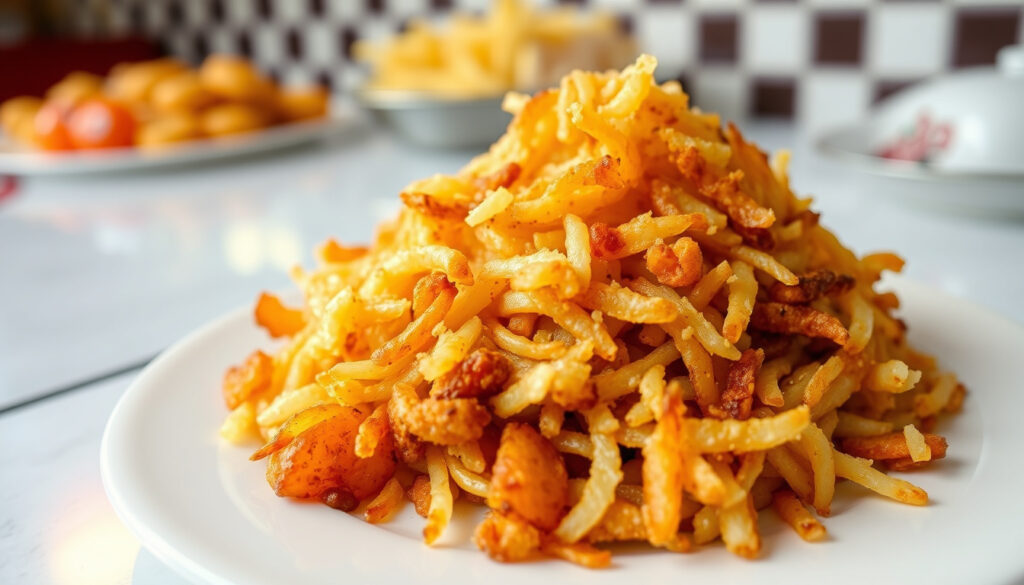
Hash Brown Recipe: Chef Secrets for Crispy Diner-Style
Few breakfast foods hit the table with more authority than a perfectly golden, crispy hash brown. Whether you remember them from a weekend brunch spot or a roadside diner, that shatter when you cut through them is unmistakable. This recipe unlocks those chef secrets so you can nail diner-style hash browns at home, every single time.
Core Ingredients: Potatoes, onion, egg · Prep Time: 20 minutes · Cook Time: 15 minutes · Key Potato Type: Russet or Maris Piper · Common Method: Grate and fry
Quick snapshot
- Russet potatoes crisped perfectly in 15-20 minutes per side (How To Feed a Loon)
- Oil at 1 tablespoon per batch, butter at 1 tablespoon per batch (Once Upon a Chef)
- Yukon Golds stay softer than russets (Once Upon a Chef)
- Exact parboiling duration varies across sources
- No official recipe from major diner chains
- Limited vegan fat alternatives tested
- Thyme Enough at Last published parsnip experiments in November 2018
- Once Upon a Chef released their classic recipe pre-2026
- Mashed ranked 11 frozen brands pre-2026
- Air fryer methods gaining popularity
- Home cooks seeking restaurant-quality texture
What are the ingredients for hash browns?
The classic diner-style hash brown starts with just a handful of pantry staples. Nothing fancy, nothing complicated — but each ingredient plays a specific role in achieving that signature crispy exterior and tender center.
Classic ingredients
- 4 medium floury potatoes (russets preferred for their high starch content) — Once Upon a Chef
- 1 medium yellow or white onion, finely chopped
- 1 egg, beaten (helps bind the shreds together)
- Salt and pepper to taste
- 2-3 tablespoons vegetable oil (or bacon grease for authentic diner flavor)
- 1-2 tablespoons butter for finishing
Russets are the gold standard here — their higher starch content helps the hash browns crisp beautifully, while Yukon Golds tend to stay softer and more creamy according to recipe testing by Once Upon a Chef. The single serving size for diner-style hash browns uses roughly 110-140 grams of potato per person, along with 2 tablespoons vegetable oil and half a tablespoon of butter.
No egg variations
Egg-free versions rely on the natural starch released from grated potatoes to hold the shreds together. Some cooks squeeze out the starchy liquid (called potato milk) and use that liquid to help with binding, according to hash brown technique videos. Without egg, the hash browns may be slightly more fragile when flipping, but the flavor difference is negligible.
Vegan options
Substituting the egg with a tablespoon of cornstarch or flour mixed with water creates a vegan-friendly binder. Replace butter with additional oil or a plant-based alternative for fully vegan hash browns. The crispiness holds up well, though you may miss the subtle richness that butter contributes.
Four ingredients carry this recipe: potato, onion, fat, and binder. Master those four elements and you have hash browns. Add extras like herbs or cheese only after the foundation is solid.
How to make a simple hash brown?
Step-by-step instructions
- Prepare the potatoes: Peel and grate using a food processor with a grating blade or a box grater on the medium setting. Pat grated potatoes dry with a kitchen towel.
- Remove excess moisture: Rinse the grated potatoes and onions in a kitchen towel — this step is essential for achieving crispy results. Once Upon a Chef emphasizes that squeezing out liquid prevents soggy hash browns.
- Season: Add beaten egg, salt, pepper, and optionally fresh thyme or rosemary (about 1 tablespoon) to the potato mixture.
- Heat the pan: Add 1 tablespoon oil and 1 tablespoon butter to a non-stick skillet over medium-high heat until shimmering.
- Form the patty: Add potato mixture and compact firmly with a spatula to form a crust before cooking.
- Cook first side: Cook undisturbed for 6-8 minutes until golden and crisp. Cook first side undisturbed for 6-8 minutes on medium heat.
- Flip carefully: Slide onto a plate, cover with another plate, and invert to cook the second side. Some cooks cut the hash brown into quarters first for easier flipping.
- Cook second side: Add remaining fat if needed and cook for approximately 15 minutes until the other side is equally golden. Press the center lightly if it feels soft.
Grating and squeezing
The method for handling grated potatoes varies between approaches. How To Feed a Loon recommends rinsing and squeezing out moisture in a kitchen towel, while other techniques involve soaking in cold water then drying thoroughly. Either approach works — the goal is removing excess liquid so the hash browns can crisp rather than steam.
Frying tips
Don’t crowd the skillet. If your skillet is small, cook in batches and add grease when flipping. How To Feed a Loon notes that cooking hash browns in batches ensures even crisping rather than steaming. Resist the urge to stir frequently — let the potato shreds form a cohesive crust before checking.
Russets are key here — their higher starch content helps the hash browns crisp beautifully. Yukon Golds tend to stay softer and more creamy. — Once Upon a Chef recipe author
What is the secret to making hash browns?
After testing 28 different methods for crispy hash browns, cooks consistently return to a handful of non-negotiable techniques. Beginner’s guides and advanced tutorials alike emphasize the same core principles.
Crispy texture secrets
- Dry thoroughly: Moisture is the enemy of crispiness. Squeeze every drop from grated potatoes.
- Hot fat: Add butter and oil to the skillet before the mixture. The fat should shimmer before the potato hits the pan.
- Don’t move it: Let the hash brown cook undisturbed. Flipping too soon breaks the crust formation.
- Compact firmly: Press the shredded potato into the pan firmly with a spatula to create surface contact.
The parboiling method stands out as a technique endorsed by several sources. How To Feed a Loon claims that briefly parboiling russet potatoes before shredding ensures perfectly cooked, crispy hash browns. The slightly pre-cooked interior finishes cooking evenly while the exterior reaches ideal crispness.
Some chefs add a light dusting of cornflour or rice flour to the mixture — about 1-2 teaspoons — to enhance crispiness without changing flavor. This trick works particularly well with frozen hash browns that tend to release extra moisture.
Diner-style hash browns achieve their distinctive taste partly from bacon grease, which adds both flavor and a higher smoke point. Swapping in vegetable oil alone produces acceptable results but misses that authentic character. If you cook bacon for breakfast, save the drippings.
Should you boil potatoes before making hash browns?
This question divides hash brown purists. The parboiling method exists in two forms: the brief blanch (1-2 minutes in boiling water) and the full microwave approach some cooks use before shredding.
Boiling method pros
- Interior cooks evenly, reducing the risk of raw centers
- Outer layer crisps faster since interior is already tender
- Parboiled potatoes are reportedly easier to grate consistently
No-boil alternatives
Thyme Enough at Last tested alternative methods, noting that microwaving potatoes slightly before shredding improves results due to the way different starch types behave. The key is understanding that raw shredded potato has moisture to evaporate before crisping can occur — whether you remove that moisture through drying or pre-cooking affects your timeline but not necessarily your result.
The simple trick of quickly parboiling the russet potatoes ensures perfectly cooked, crispy hash browns every single time. — How To Feed a Loon recipe creator
The decision often comes down to timing. If you’re cooking a full breakfast and want to manage multiple components, parboiling the potatoes earlier gives you flexibility. If hash browns are your sole focus, the direct method works perfectly well.
What are common hash brown mistakes?
Even experienced cooks encounter these pitfalls. Recognizing them helps you course-correct mid-recipe.
Top pitfalls
- Skipping moisture removal: Water droplets on wet potato shreds cause steaming instead of crisping.
- Cooking in cold oil: The fat must be hot before the potato hits the pan. Cooking hash browns in cold or lukewarm fat prevents proper browning.
- Wrong potato choice: Waxy potatoes like red bliss or fingerlings hold together but never crisp properly. Yukon Golds stay softer than russets, making them a second-choice option.
- Overcrowding: Too many hash browns in one pan means they’ll steam rather than fry.
Air fryer and oven fixes
For healthier preparations, air fryers offer a viable alternative. Lightly spray shredded potato with oil and air fry at 200°C for approximately 15 minutes, flipping halfway through. Oven methods work well for batch cooking — spread the mixture on a sheet pan at 220°C for about 25 minutes, flipping once.
Frozen hash brown brands vary significantly in shape, cookability, taste, and texture. Rankings from Mashed show that top frozen brands excel in crispiness, though they can’t match the control fresh preparation offers.
Traditional hash browns use just potatoes, unlike home fries which often include peppers and onions. MasterClass distinguishes these dishes by cut (diced vs shredded), cooking method (boiled then fried vs raw shredded fried), mix-ins, and final texture. Knowing which dish you’re making prevents frustration when techniques don’t transfer between them.
Quotes
Russets are key here — their higher starch content helps the hash browns crisp beautifully (Yukon Golds tend to stay softer and more creamy). — Once Upon a Chef recipe author
The simple trick of quickly parboiling the russet potatoes ensures perfectly cooked, crispy hash browns every single time. — How To Feed a Loon recipe creator
Parsnips: excellent. Possibly best hash brown medium. Yes, maybe even better than potatoes. Don’t @ me. — Thyme Enough at Last food blogger
Related reading: Low Calorie Snacks · Farmers Union Greek Yoghurt
Our chef secrets for perfect crunch align seamlessly with techniques from the crispy diner-style guide, transforming simple potatoes into diner favorites.
Frequently asked questions
How to make hash browns in an air fryer?
Preheat the air fryer to 200°C. Lightly coat shredded potatoes with oil spray. Spread in a single layer (work in batches if needed). Air fry for approximately 15 minutes, flipping halfway through, until golden and crisp.
What potatoes are best for hash browns?
Russet potatoes are the preferred choice due to their high starch content, which promotes better crisping. Yukon Golds work as a secondary option but tend to produce softer, creamier results rather than the crispy texture most people expect from hash browns.
Can you make hash browns without eggs?
Yes. Egg-free versions rely on the natural starch released from grated potatoes to bind the shreds together. Some cooks separate the starchy liquid and use that for binding. The hash browns may be slightly more fragile when flipping but taste nearly identical.
How to make vegan hash browns?
Omit the egg and use plant-based oil or vegan butter alternatives. A tablespoon of cornstarch mixed with water can serve as a vegan binder if needed. The cooking technique remains identical to traditional hash browns.
What oil is best for frying hash browns?
Vegetable oil provides a high smoke point and neutral flavor. Bacon grease offers authentic diner taste. Butter adds richness but burns more easily, so many cooks combine butter with oil for both flavor and functionality.
How long do hash browns take to cook?
Plan for approximately 6-8 minutes on the first side and 15 minutes on the second side when cooking on the stovetop. Total time depends on your heat level and how crispy you prefer them. Resist flipping too early — the hash brown is ready when the edges look golden and release easily.
Can you freeze homemade hash browns?
Yes. Freeze already-cooked hash browns in a single layer on a baking sheet until solid, then transfer to freezer bags. Reheat in a skillet or air fryer directly from frozen. For meal prep, you can also freeze uncooked shredded potato in portions, though texture may decline after several weeks.
For weekend brunch hosts, the choice is clear: master the russet-and-dry method for hash browns that rival any diner plate. The extra 10 minutes of prep work — squeezing out moisture, letting the fat heat properly, resisting the urge to peek — rewards you with that satisfying crunch in every bite.
More related posts
 Patrick Wilson: Biography, Facts, and Myths Debunked
 Ashlee Simpson SNL Lip-Sync: Kids, Husband & Comeback
 What Is a Will vs Trust: Key Differences Explained
 Georgia O’Keeffe: Life, Art, Controversy and Quotes
 Lupita Nyong’o: Biography, Relationship, Health, Net Worth
 Australia v South Africa: Rugby & Cricket Guide 2025
 Mark Carney: Biography, Net Worth, Family
 Malaysia Airlines Flight 370: What Happened and Latest Facts